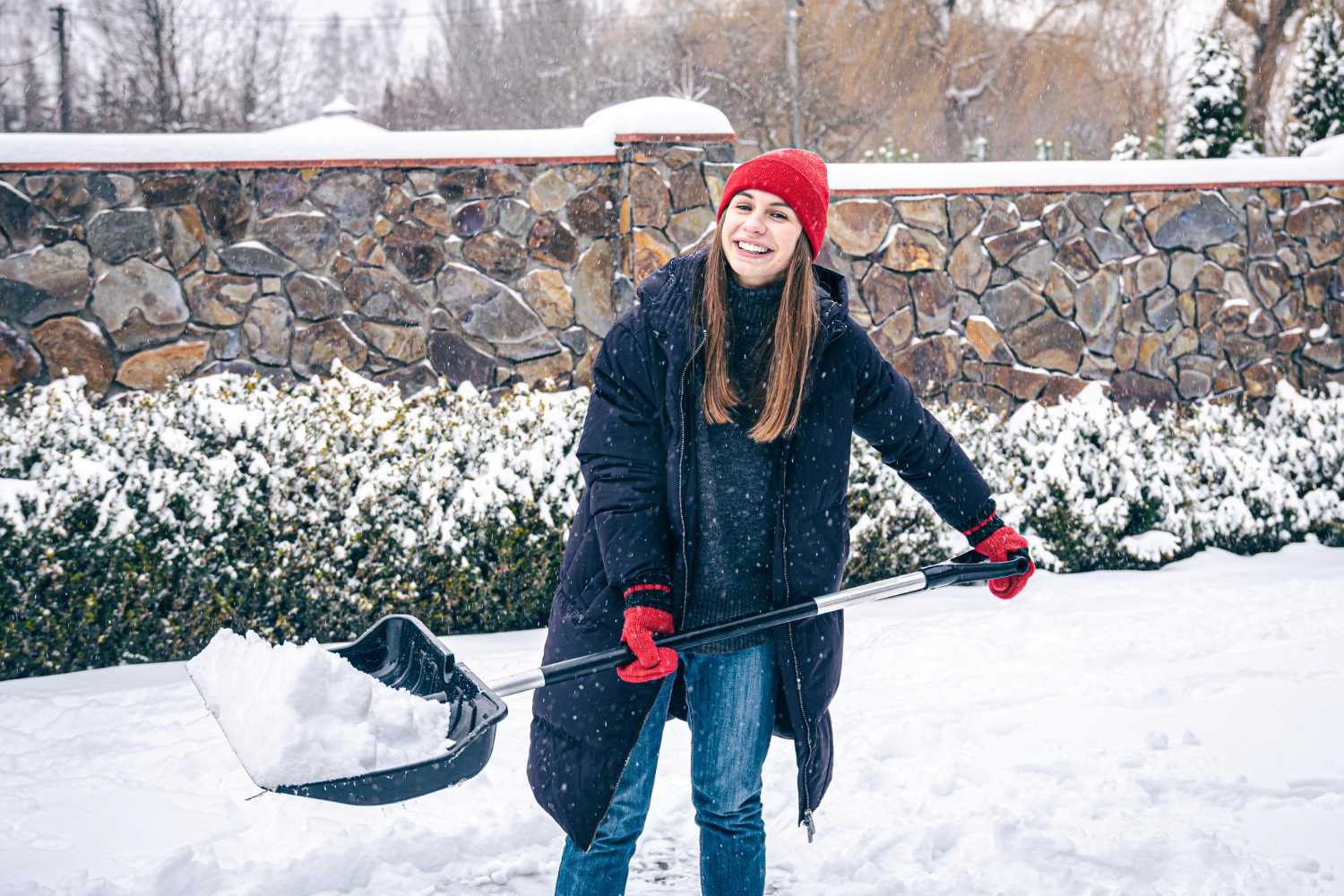
As temperatures drop, your home needs a little extra attention to stay warm, safe and comfortable. Cold weather can put added pressure on heating systems, plumbing and roofing, while small maintenance issues can turn into expensive repairs if left unchecked. Whether you own a home or are preparing to sell your property, a few seasonal maintenance steps can help protect its condition and keep your household comfortable throughout winter. Your heating system works harder during colder months, making regular maintenance especially important. Replace or clean air filters as recommended, check your thermostat and schedule professional servicing to identify potential issues before temperatures fall further. A well-maintained system can improve indoor comfort, support efficient operation and reduce the likelihood of unexpected breakdowns. Freezing temperatures can cause water inside pipes to expand, potentially leading to burst pipes and costly water damage. Insulate exposed pipes in basements, crawl spaces and garages, seal gaps that allow cold air inside and disconnect outdoor garden hoses. During severe cold, keep your home adequately heated and follow local plumbing guidance to protect vulnerable pipes. Your roof protects your home from snow, rain and freezing conditions, so inspect it for damaged shingles, loose flashing and signs of leaks before winter weather arrives. Clear leaves and debris from gutters to help water drain properly and reduce the risk of ice buildup. Addressing visible damage early can help prevent moisture from entering your home and causing more extensive repairs. Cold air entering through small gaps can make rooms uncomfortable and increase heating costs. Check weatherstripping around doors, inspect window seals and use appropriate caulking to close gaps where needed. These improvements help maintain indoor temperatures and reduce the workload on your heating system, making your home more comfortable throughout the season. Heating equipment, fireplaces and fuel-burning appliances can increase certain safety risks during winter. Test smoke alarms and carbon monoxide detectors, replace batteries when needed and follow the manufacturer's replacement recommendations. Keep heating equipment properly maintained and ensure vents remain clear so your household can stay safer during colder weather. Snow and ice can make driveways, steps and sidewalks slippery. Keep these areas clear, use appropriate ice melt when necessary and check outdoor lighting to improve visibility during darker winter evenings. If your property has overhanging branches, arrange for hazardous limbs to be assessed and removed safely before severe weather causes damage. Winter maintenance is easier when you address small issues before they become urgent repairs. By checking your heating system, protecting plumbing, sealing drafts and maintaining outdoor areas, you can help preserve your property's condition and enjoy a safer, more comfortable home throughout the colder months.1. Get Your Heating System Ready
2. Protect Your Pipes from Freezing
3. Check Your Roof and Gutters
4. Seal Drafts Around Doors and Windows
5. Check Smoke and Carbon Monoxide Detectors
6. Keep Walkways and Outdoor Areas Safe
Enter your email address and we will send you a link to change your password.