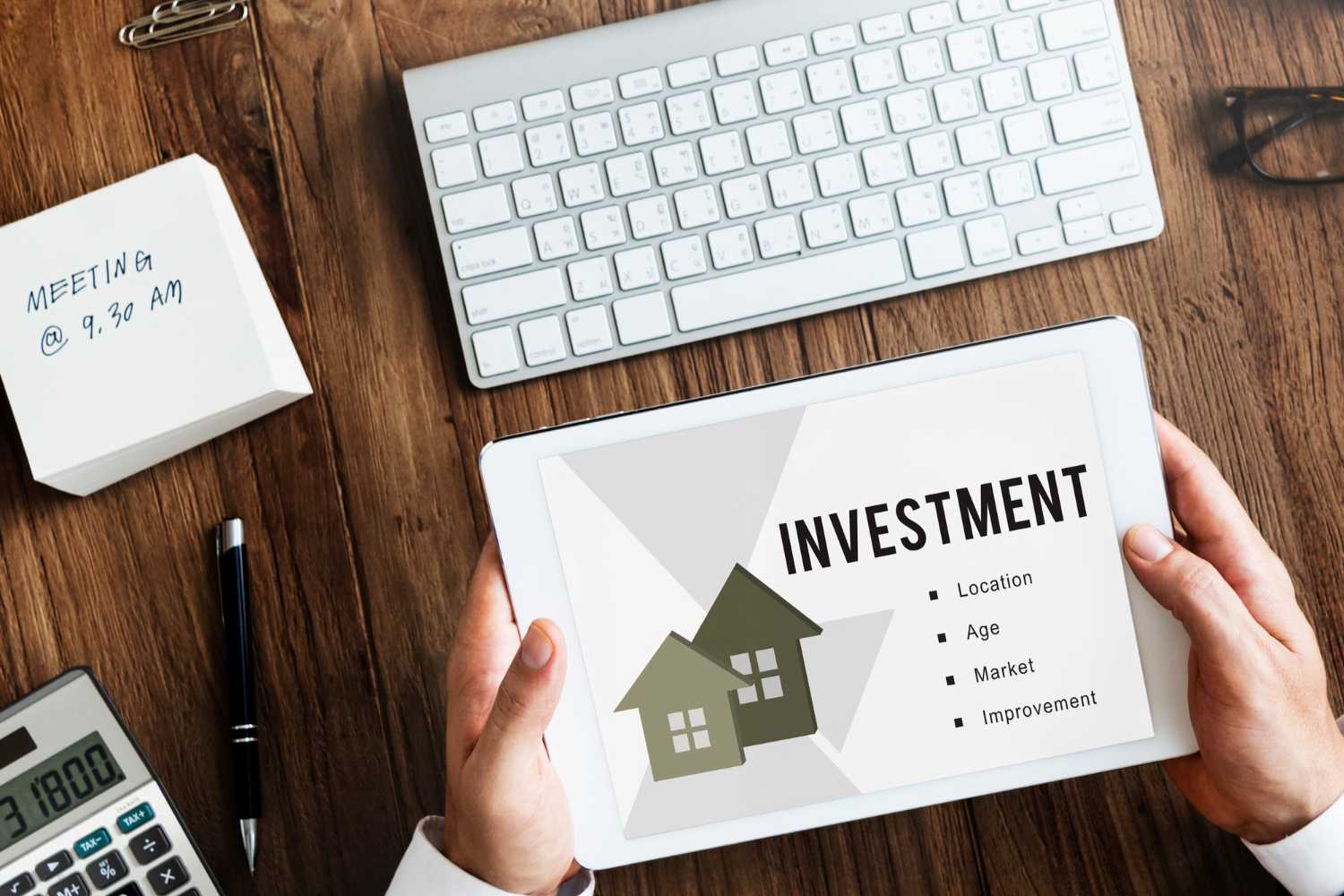
A good property investment is about more than finding a home that looks attractive or sits in a popular neighborhood. Investors need to consider how well the property may hold its value, generate income and fit their long-term goals. While no real estate investment is completely risk-free, evaluating a few important factors can help you make a more informed decision before buying. Location remains one of the strongest influences on property demand. Homes near employment centers, schools, transportation, shopping and essential services may attract more buyers and renters. It is also worth looking at neighborhood development, upcoming infrastructure and whether the area is showing signs of steady long-term growth. If you plan to rent the property, local rental demand is an important consideration. Look at typical rental rates, vacancy trends and the type of tenants the neighborhood usually attracts. A property in an area with consistent demand may be easier to keep occupied and can provide a more dependable income stream over time. A property can look promising but still be overpriced. Review recent sales of similar homes in the area and consider the property's size, condition and features. You should also account for closing costs, repairs and improvements. Buying at a reasonable price can give you more flexibility and improve the property's overall investment potential. The purchase price is only one part of the cost of owning real estate. Property taxes, maintenance, utilities, homeowners association fees and repairs can all affect profitability. Older properties may need more maintenance, while newer homes may require fewer immediate repairs. Understanding these expenses helps you estimate the property's true financial performance. A home that needs work is not necessarily a bad investment. Some properties can gain value through thoughtful renovations or updates. However, major roofing, plumbing, electrical or structural problems can become expensive quickly. A professional property inspection can help uncover issues before you buy and give you a better understanding of possible repair costs. A strong investment should remain useful beyond current market trends. Features such as functional layouts, adequate parking, storage, outdoor space and convenient access to local amenities can help maintain demand. Properties that appeal to a wider range of buyers or renters may also offer more flexibility when it is eventually time to sell. Different properties work for different strategies. Some investors focus on monthly rental income, while others prioritize long-term appreciation, renovation potential or future resale value. Defining your goal before viewing properties can make it easier to identify which opportunities genuinely fit your plan. A good real estate investment combines the right location, sensible pricing, manageable expenses and long-term demand. Looking beyond appearance and evaluating the property as a financial asset can help you make a more confident decision. The strongest opportunities are usually those that fit both your current strategy and your future plans.1. Location still matters most
2. Rental demand can support steady income
3. The purchase price should make sense
4. Ongoing expenses affect your returns
5. Property condition can create risks or opportunities
6. Look at long-term buyer and renter appeal
7. Know your investment goal
Enter your email address and we will send you a link to change your password.