
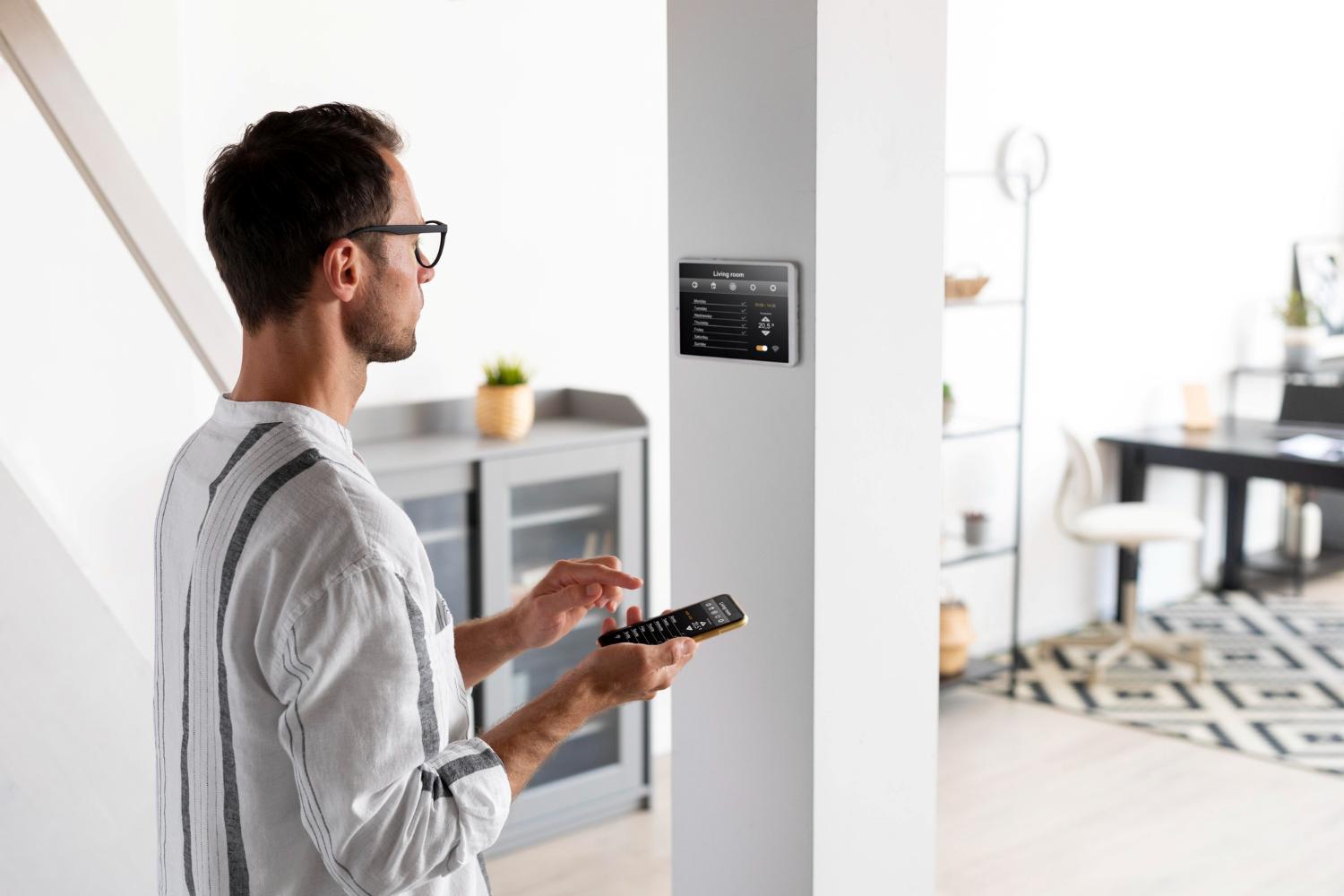
Walk through almost any new neighborhood today and you will spot video doorbells, app-controlled thermostats, and porch lights that flip on the moment someone steps near. Smart home technology is moving from a trendy extra to something many buyers quietly expect. For families thinking about where to live and how to protect what matters, these tools are starting to shape the way real estate feels, functions, and fits into everyday life. 1. Convenience that feels natural One of the biggest reasons smart home technology is gaining ground is simple convenience. Adjusting the temperature from your couch, checking a delivery from your office, or asking a voice assistant to turn off the lights makes home feel more responsive. Over time, these small moments add up. They help busy parents juggle schedules, support older relatives who want to live independently, and give anyone a bit more breathing room on a packed day. 2. Safety features that reassure Many smart devices focus on helping you feel safer where you live. Video doorbells, smart locks, and connected lighting make it easier to see who is at the door, confirm it is locked, or switch on lights before you arrive at night. Some systems send alerts if a window opens or if smoke or water is detected. These tools cannot prevent every problem, yet they offer an extra set of eyes and ears when you are away. 3. Energy use made visible Smart thermostats, plugs, and lighting help people see and manage how much energy they use. Instead of guessing which habits matter, homeowners get clear feedback. You might notice how much power is used during the afternoon or learn that a small change in temperature keeps everyone comfortable while lowering monthly bills. Over time, these insights encourage choices that are both budget friendly and more gentle on the environment. 4. Accessibility for all ages Smart home features can support people at different life stages. For younger adults, app control fits naturally with a phone-based lifestyle. For older adults or relatives with limited mobility, voice controls and automated lights reduce daily strain and help prevent falls. Parents can check that kids arrived home safely or confirm that the stove is off. Real estate that already includes this kind of flexible support may feel welcoming to more types of households, which can strengthen a community. 5. Planning with insurance in mind As smart home technology spreads, conversations with insurance advisors are starting to change. Devices that detect smoke, water, or forced entry can influence how risk is understood. When you share details about your setup, your advisor can better tailor guidance on coverage needs and potential gaps. Smart home tools will keep evolving, yet the heart of real estate stays the same. People want places that feel safe, comfortable, and welcoming to the people they love. Used thoughtfully, connected devices can support that goal without taking over the home itself. As you explore housing choices, it may help to view smart technology not as a luxury, but as one more way to shape a home that fits the way you actually live today.
Enter your email address and we will send you a link to change your password.